




Press
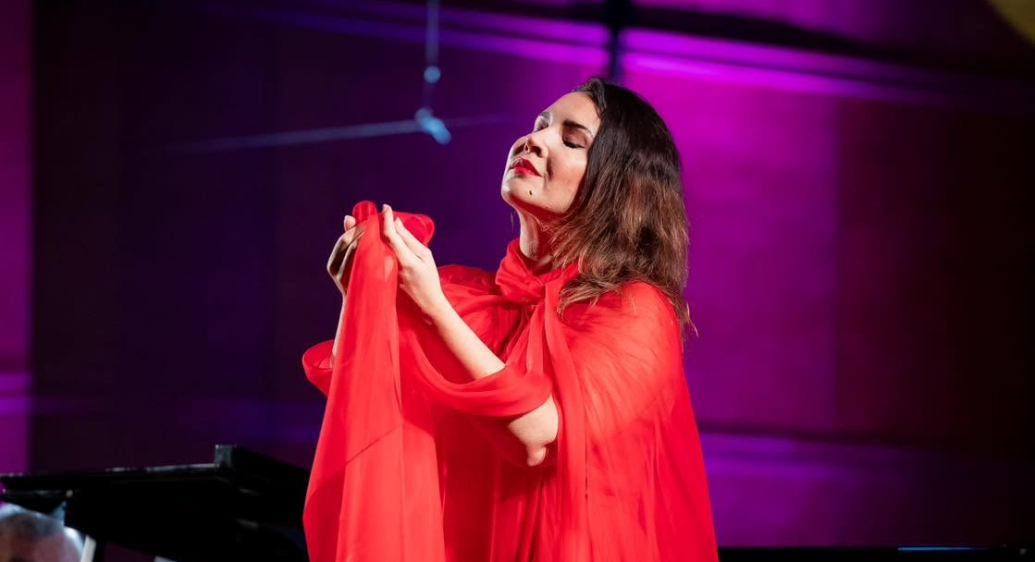
Sonya Yoncheva “uncorked the very best of her voice” at Wigmore Hall (The Times)
Sonya Yoncheva made her highly anticipated Wigmore Hall debut on 9 July 2026, joined by renowned pianist Malcolm Martineau in her acclaimed recital programme Ad una stella. The evening, bringing together Italian songs by Puccini, Verdi, Martucci and Tosti with some of Puccini’s most beloved operatic heroines, received an enthusiastic response from the British press. Richard Morrison of The Times described the evening as “a thrilling tour through opera’s greatest hits” and praised Sonya for having “uncorked the very best of her voice”, while Mark Pullinger of Canzonetta wrote that she “lived each role” before concluding: “Classy diva. Classy recital.”
“Sonya Yoncheva review — a thrilling tour through opera’s greatest hits”
“The charismatic Bulgarian soprano gathered together classic arias from her favourite roles in her Wigmore Hall debut”
“You could pay a fortune in opera tickets and air fares following Sonya Yoncheva around the world as she delivers her trademark high-intensity interpretations of the doomed heroines of Puccini and Verdi. And doubtless she has fans who do exactly that, and buy the book too (she has published a wonderfully eccentric examination of how 15 of those doomed heroines “mirror” aspects of her own personality).
Alternatively, you could have paid a much more modest sum and seen the charismatic Bulgarian soprano gather all the hit tunes from her favourite operas — well, half a dozen anyway — in her Wigmore Hall debut. OK you wouldn’t have got an orchestra — just Malcolm Martineau’s slightly polite piano accompaniments, though in Bizet’s Habanera he was also required to gamely act the bashful Don José to Yoncheva’s Carmen when she crept round the back of the Steinway and started tickling more than his ivories.
But by that time Yoncheva had brought opera in all its raw passion into the sedate surroundings of the Wigmore. In quick succession she delivered Vissi d’arte from Tosca, Donde lieta uscì from La bohème, Un bel di vedremo from Madama Butterfly and, exquisitely, Adieu notre petite table from Massenet’s Manon, inhabiting each role as though on stage. By then, too, she had put aside the music stand and, as if liberated, uncorked the very best of her voice: the legato wonderfully lush; the top notes full but never forced; a gorgeous, velvety half-voice deployed touchingly in the quiet moments.” (…)
Richard Morrison, The Times
“The Art of the Encore
Always leave ’em wanting more. It’s an old adage, commonly attributed to the legendary promoter Phineas Taylor Barnum, but it’s a good one. After last night’s Wigmore Hall concert which ran to a self-indulgent seven encores (reviewed here for Bachtrack), I was back this evening for the house debut of soprano superstar Sonya Yoncheva, accompanied by Malcolm Martineau. Encore-wise, she offered just the two. Did I feel short-changed? Not a bit.
The recital itself was perfectly proportioned for a singer who spends more of her time treading the world’s great opera stages than recital platforms. A first half composed of songs by Italian composers – Puccini, Verdi and Martucci and a pair of salon gems by Paolo Tosti – followed by a second half featuring four Puccini arias, three of them – from Tosca, Bohème and Butterfly – absolute bangers. Freed from the constraints of a music stand, Yoncheva lived each role, scattering petals from a sunflower during “Se come voi piccina io fossi” from Le villi, blowing a handful at Martineau on the final line, “Non ti scordar di me!” (Forget me not!).
And the encores? Plucking another flower from one of the hall bouquets, she launched into a sultry Carmen habanera, teasing her audience, grabbing Martineau by the shoulder and reclining across his piano stool before directing the line “Mais si je t’aime, si je t’aime, Prends garde à toi !” at her husband, conductor Domingo Hindoyan, sitting in the Stalls.
And then, explaining that any French members of the audience may be keen to watch the World Cup quarter final about to begin, Yoncheva left us with Manon’s “Adieu notre petite table”, noting this was not really adieu, but just au revoir. A smile, a cheery wave to the audience and she was gone. Classy diva. Classy recital.”
Mark Pullinger, Canzonetta