


Press
“Review: Spectacular Yoncheva Shows What MEDEA Is All About at the Met” (…)
“It still amazes me how much a cast change can mean to a production’s effectiveness, even when it’s only the first revival after a production was new, and had a strong lead at the opening just a few years ago. In this case, it even reshapes the opera, as it did the other night at the Met’s first revival of the Met’s premier take at Cherubini’s MEDEA, with soprano Sonya Yoncheva in a show-stopping turn.
Suddenly the opera—with its libretto by Francois-Benoit Hoffman—seemed like a one-woman show, with the story springing completely from the head of Yoncheva. The David McVicar production (he did the set design as well, with Doey Luthi costumes and projections by S. Katy Tucker projections) took on new life here, restaged by Jonathan Loy.
Originally written in French (MEDEE), it was based on the Euripides version of the tragedy—boy meets girl and has two sons, boy dumps girl for the king’s daughter, girl decides on the worst revenge possible—and a French play of the same name.
Despite a cast that more than fulfilled its vocal and dramatic obligations—starting with tenor Michael Spyres’ Giasone, mezzo Victoria Karkacheva as Neris (Medea’s handmaid) and soprano Elena Villalon as Glauce—it was Yoncheva’s evening.
Of course, she’s no novice at the Met, having made her debut in 2013 as Gilda in RIGOLETTO. Yet she’s never seemed quite so in charge of the stage as she did at the opening of the opera’s revival on Friday. She was so potent, so thrilling, so riveting that one is at a loss for describing her impact except to say that she dazzled.
(…)
Maria Callas gave the opera new life back in the 1950s, after a very long period of disinterest in it, but it’s been a hard slog to keep it alive since her last performances in the early ‘60s. Let’s hope that this Yoncheva take does something to breathe further interest into it.
Richard Sasanow, Broadway World
“Sonya Yoncheva electrifies the Met Opera’s revival of Medea”
(…)
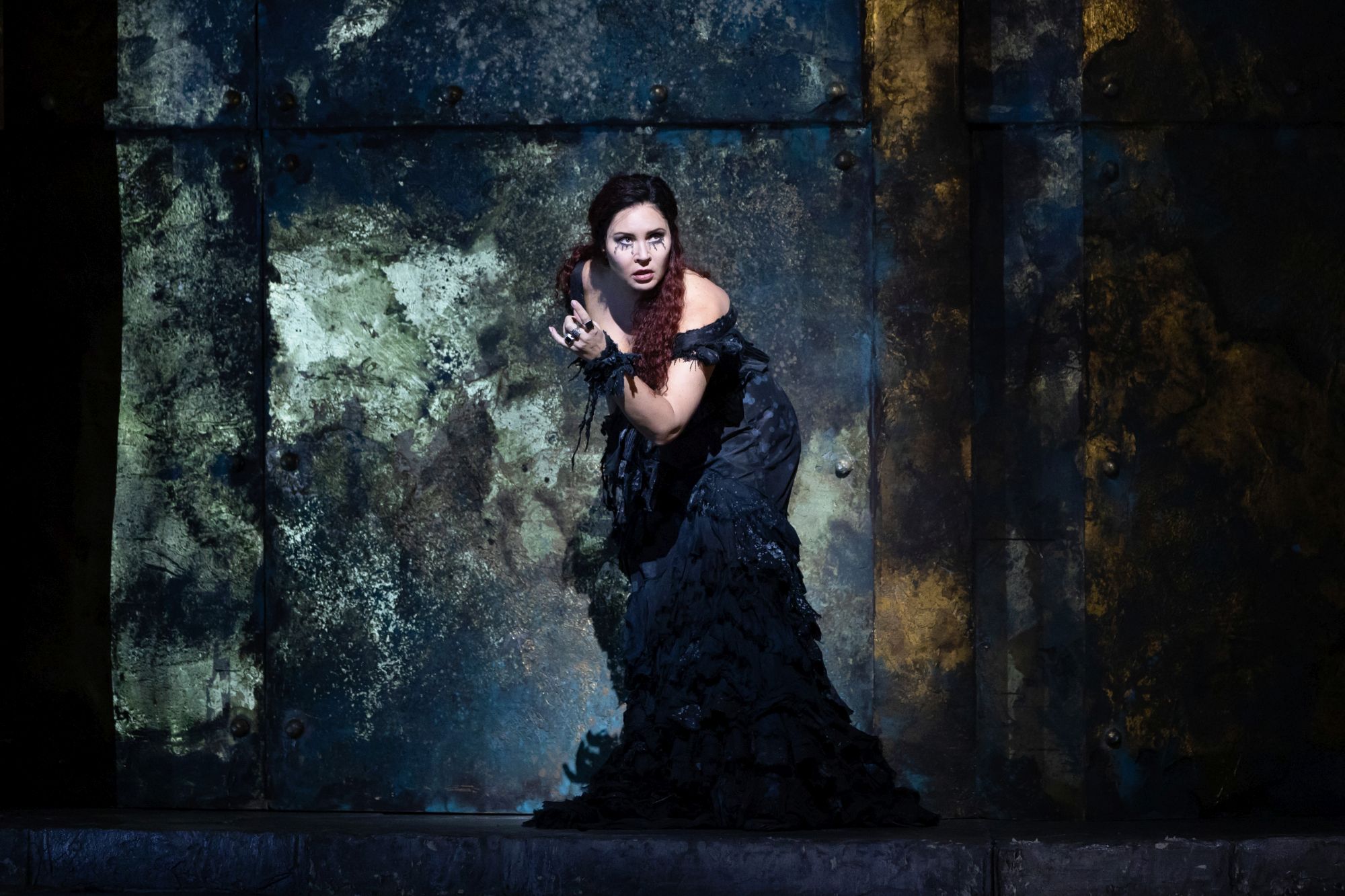
“On this opening night of the current run, Yoncheva claimed the role for herself. As soon as she made her entrance, garbed in a bedraggled black gown, her hair wildly disheveled, her eyes ringed in black, she dominated the stage with her immense vocal power and extraordinary dramatic presence, and went on to create a defining performance. Demonstrating tremendous stamina and range, she seamlessly navigated the demanding shifts between crisp, Classically-controlled moments and fiery, proto-Romantic outbursts, to create a convincing, highly nuanced depiction of psychological breakdown as she transitioned from a pitiful, abandoned wife to an insane, infanticidal sorceress.
Yoncheva was tremendously moving in “Dei tuoi figli la madre”, the monumental Act 1 aria, in which, while reminding her faithless husband of the sacrifices she has made for him, she alternated between the harsh piercing death threats of a scorned queen and the soft, legato-laced pleas of a mother begging for the return of her family. Nearly all of Act 3 belonged to her character, beginning with the storm-like orchestral introduction where the soprano effectively conveyed her character’s ongoing descent into madness via a wordless sequence of animalistic dance movements around the stage. Her most impressive vocal moment was the furious final scene in which she unleashed her sorceress powers in a series of punishing exclamations ranging from her bottom register up to soaring high B and Cs.”
Susan Stempleski, Bachtrack
“Yoncheva, Spyres provide adrenaline injection to Met’s “Medea” revival”
“The production returned Friday evening with an arguably starrier cast, led by Sonya Yoncheva and Michael Spyres.”
“Yoncheva conveyed Medea’s dramatic intensity through detail rather than histrionics. Her interactions with Giasone, Creonte, and even her confidante Néris revealed a woman bent on revenge—cool, calculating, and lethal. Once Medea resolves to act, the venom coursing through her registers in Yoncheva’s face, especially in her eyes. With her revenge exacted, Medea seems freed from the demons that consumed her. She may not be absolved, but Yoncheva’s noble bearing in the final moments suggests she has found a measure of peace.
Yoncheva’s sumptuous soprano adds another dimension to her portrayal. In the opening confrontation with Giasone, her vocal colors shift from warmth to icy fury, while her voice inspires awe as it soars into the house. She sustains this blend of vulnerability and defiance in her encounters with Giasone, Creonte, and Néris. Reunited with her sons, she sings with glowing maternal warmth, momentarily hesitating to carry out her plan. Unbridled rage returns in her final curse flung at Giasone.”
Rick Perdian, New York Classical Review
“Sonya Yoncheva is (1) a total stage animal and (2) an excellent, conscientious singer. She is a natural Medea. When she first took the stage on Friday night, it was as though villainy itself had entered. If you want a siren-seductress-sorceress—I have described Medea—call Yoncheva. (I should add “murderess” to that string of words.)
Personally, I think Medea belongs in a smaller house. But Yoncheva is loud and lyrical, a nice and relatively uncommon combo.
One more thing, before I move on to another singer: Medea is a piece of work, to be sure. But she is also full of self-pity, agony, and other recognizable human emotions. So good a singing actress is Yoncheva, you might almost have felt sorry for the bloody old witch.”
Jay Nordlinger, The New Criterion
“In the title role, Sonya Yoncheva returned in fine form. Her dark, rich tones suggested both the sorceress’s pain at betrayal and her dastardly plans for vengeance. Her notes are threaded with a silvery filament like the knives and swords she wields. One voice becomes two. Her music takes us into dark corners. Tenderness is deeply felt as the sorceress sings of her children leaving us unprepared for their murder.”
Susan Hall, Berkshire Fine Arts
“Sonya Yoncheva Makes Case for Performance of the Season”
“That all changed once Medea arrived on the scene with Rizzi and soprano Sonya Yoncheva very much in-synch with one another. And from there, the conductor was at the top of his game with the orchestra not just strong support, but very much in dialogue with the leading lady and the other artists. The Act three opening was particularly strike, creating the sense of dread before eventually exploding into volcanic fury. The entirety of Medea’s final aria “Del fiero duo” was the most thrilling moment of the night with soprano and orchestra filling out the psychological horror unfolding.
Rizzi is a conductor that does more than just follow – he creates. The final two acts of this opera were some truly fine music-making from the maestro.
Prima Donna
Speaking of creating… The Met Opera has a ton of incredible artists. But there is perhaps no more compelling artist singing at the Met Opera at this moment, than Sonya Yoncheva. It’s ironic that when she was singing multiple productions at the Met and General Manager Peter Gelb couldn’t get enough of her, her vocal powers were considerable, but her stage presence hadn’t quite caught up. And now, at the peak of her consummate artistic powers when she should be the face of the Met Opera, she is only singing one production per season (and not even getting all important HD performance Gelb mark of approval at that).
I bring this up because her Medea was one of the most enthralling singular performances I have seen at the Met, full stop. The role is famously challenging vocally for how it demands flexibility from the soprano from top to bottom. She’s tasked with singing over an erupting orchestra in one moment; dispatching coloratura at one of the most dramatic moments of the opera; singing hushed piano before exploding into another fiery passage. It feels like one musical peak after another. And that’s without considering the dramatic demands and the physical toll that comes with it. For 2/3 of the opera, Medea dominates the stage and for 75 percent of that, she is all alone. Moreover, we have to feel some empathy for a woman hellbent on revenge and eventually (spoiler alert for a thousand-plus-year-old play and two centuries-old opera), she kills her children. We need to feel her suffering, her torment, her inner conflict at this big final moment, and everything in between. This is alone, probably more than the Callas-sized elephant in the room, is probably why this opera doesn’t get the stage time it (French or Italian version) deserves. It takes true bravery to sing this role. Radvanovsky had that courage and Yoncheva also has it in spades.
The Bulgarian soprano actually sang the French version of this opera years ago in Berlin and this is just her second production and her first foray into the Italian version. (…) Her physicality throughout the night was truly special to behold. Shifting from a first and potent aura-farming walk to a more slouched and slithery semi-crawling, she shifted from human to a more bestial form, expressing Medea’s shape-shifting but also psychological conflict; you felt her suffering but also her rage ready to explode. This was furthered by the intensity of her eyes, which could be fiery and knife-like in some moments, but also mournful, expressing her suffering. There were times where her movements were angular, sharp, almost predatory. But then she would soften up that physicality, expressing her vulnerability. Her finest moment was that final scene where she picks up the knife, holds it up high, and is ready to murder the children, only to stop herself and cower over them. One of the children reached out for her and she shoved him away violently; but then the other reached out for her, and held her arm and she froze, staring into his eyes, questioning herself. In the ensuing aria, as she sings of her internal conflict, she gripped the children close to her, her gaze upward, pain in her face. But then, she shifted right back into the thrill of the chase, a psychotic glare as she learned of Glauce’s death and as she faced down Giasone to reveal the death of her children. The entirety of Act three’s opening relies on her physicality as she prepares her incantations and again Yoncheva displayed tremendous physical range here as well, slithering about. This only scratches the surface and the reality is that you have to truly see Yoncheva to experience the brilliant theatrical genius on display here.
The same goes for her vocal interpretation. Yoncheva’s voice projected gloriously throughout the night; there was not a single moment where the orchestra covered her. Moreover, her range was even and well-balanced and connected from high to low with her chest voice extremely impressive in its potency and focus. More importantly, everything she did vocally illuminated the complex psychological tapestry unfolding. She delivered some exquisite pianissimo singing as she begged Giasone during her “Dei tuoi figli la madre” or pleading with Creonte for mercy. Her vulnerability was on full display here, but most prominently during that final aria, “Del fierro duo,” where the legato was pristine and polished. There was anguish in her voice, almost weeping. But when called on for more thunderous singing later in the scene, she could shift from potent highs to equally aggressive lows, never sounding forced or overwrought. The coloratura toward the end was fiery, jagged, but perfectly clean and clear. You felt that she was on the edge but always in control, making for a truly exhilarating performance. On the whole, Yoncheva delivered the true package in one of opera’s most demanding roles; the essence of music drama where both combine to create something truly memorable and cathartic. This is the kind of performance that should be seen not once or twice, but as many times as you can.
I said it earlier and I will re-iterate it – Yoncheva is the real deal and perhaps the biggest deal on the Met stage this season. “Medea” has taken a while to get to the Met and, based on the work’s history, it might have some trouble making consistent comebacks, making the urgency of seeing this great work with a supreme artist all the more pressing.”
David Salazar, Operawire
[Photo: Marty Sohl / Met Opera]
Read More
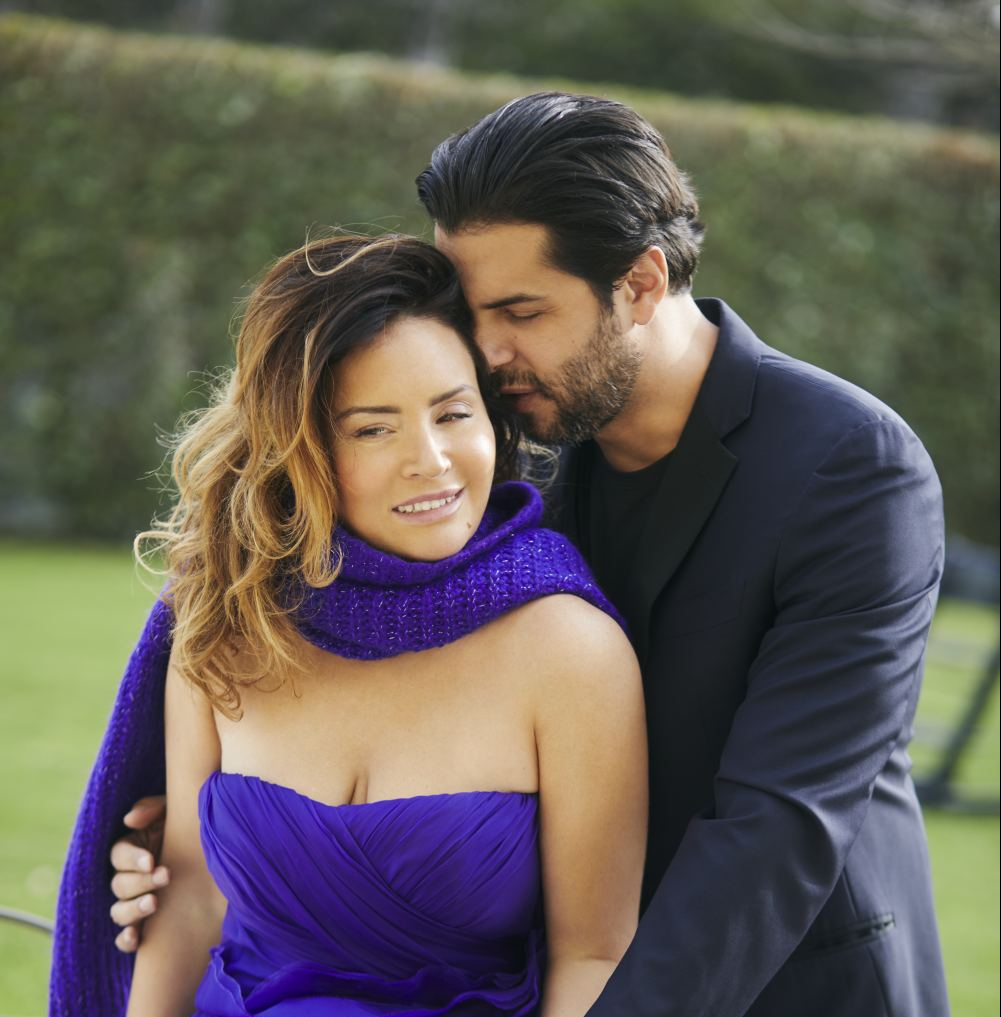
Ahead of her debut as Julia in Spontini’s La Vestale at the Staatsoper Unter den Linden, Sonya Yoncheva spoke with two German newspapers about her life on and off the stage.
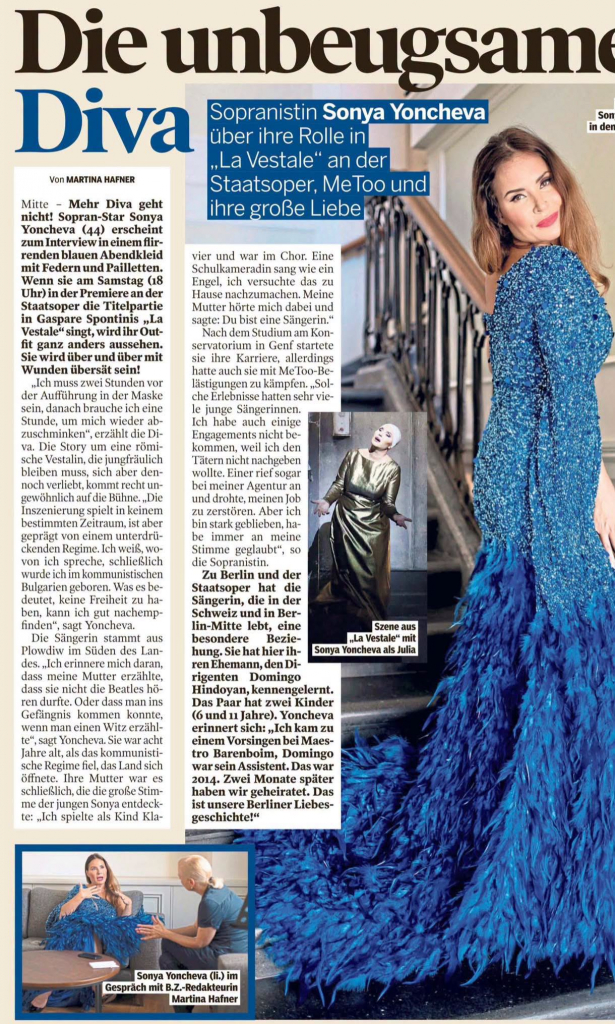
In B.Z., she talks with Martina Hafner about the vocal and dramatic demands of Julia, the challenges she faced early in her career and her special relationship with Berlin.
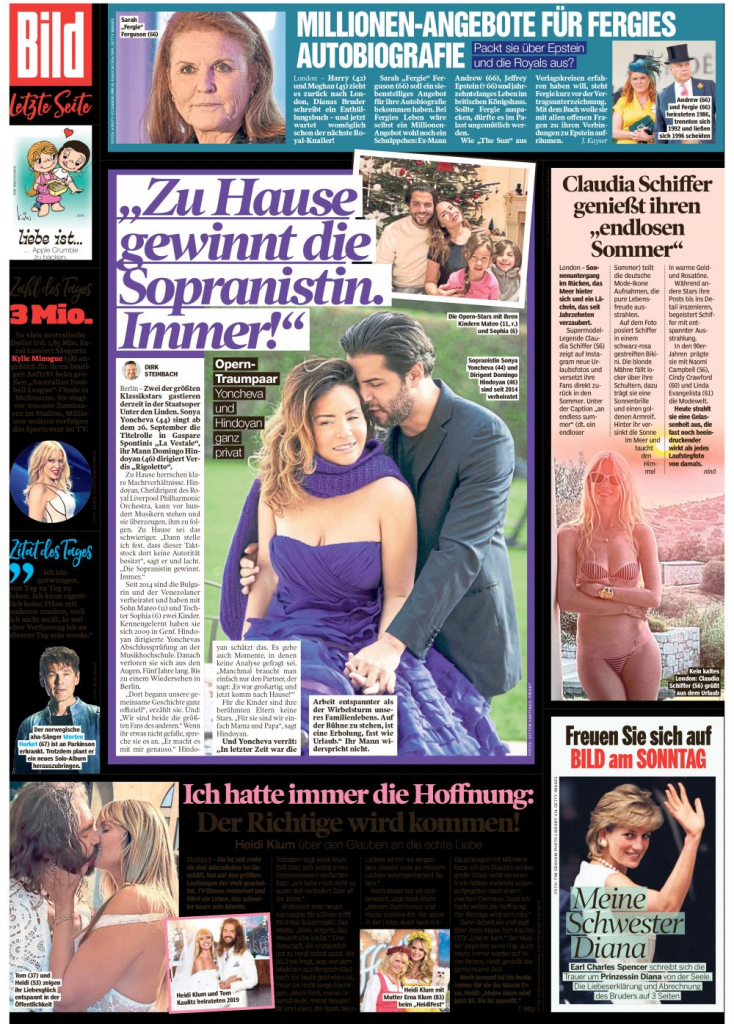
BILD devoted the centre of its back page to a major feature on Sonya and her husband, conductor Domingo Hindoyan. In their joint interview with Dirk Steinbach, they discuss their relationship, their admiration for each other’s work and family life alongside two international careers.
Read More